Showing posts with label primers. Show all posts

Sunday, May 6, 2012

Making Tteokpokki from Scratch

Here are some ingredient recipes if you would like to make tteokpokki from scratch:


The simplest recipe for making tteokbokki tteok from scratch
If you prefer sleek cylinders, you may shape your dough using cannoli 
or other tube molds and cut the dough to your desired length. 

Anchovy-Dashima Stock via cHow Divine

For flat fish cakes, you may try slightly baking or frying the mixture after rolling it into a flat sheet to get a solid texture before cooking in tteokpokki sauce. 


Here are some additional recipes for making tteokbokki:


Two chefs present Goongjoong (Royal Court) and Spicy Tteokpokki 

with a little background information about tteok and the dishes presented
The Goongjoong Tteokpokki has beef, eggs, and assorted vegetables.
The spicy version has boiled eggs and fish cakes.


Kochujang Tteokpokki with Fish Cakes via KFoodAddict (written recipe)
Adding cheese for a fusion option


For more tteokpokki recipes and a background on the dish, you may refer to the post Tteokpokki (Revised May 8, 2012).

Posted by tastingkorea

Tuesday, January 31, 2012

Learning More About Korean Ingredients

In order to fully grasp Korean cooking, one needs to understand the ingredients that are used. For produce, one needs to get a sense of where it is grown, when it comes in season, and how it is prepared as well as how to make the best use of it in Korean cooking. One must also consider the texture and flavor of an ingredient as well as its effect on the body to determine how to put it to good use. Some of this knowledge can be acquired over time as one engages with the cooking process. But in order to learn about the background and seasonality of an ingredient, it is important to do further research on one's own through additional study (reading, watching, listening to resources) or consulting with an expert on the subject.


Stuffed Kkaenip Leaves Prior to Battering 
for Kkaenip Jeon or 깻잎전 (One Fork, One Spoon)


Yeongeun Jorim, 'Lotus Roots Reduced in a Sweet Soy Sauce'


Korean Sweet Potatoes or 고구마 ('Goguma') via Rimi
http://www.rimi.kr/?mid=ingridient&page=2&document_srl=450235


Here are some resources that you may find helpful in learning more about Korean ingredients:


English

1. Holly of Beyond Kimchee gives an excellent introduction to the common ingredients used in Korean cooking with a great emphasis on sauces and seasonings as well as meats, vegetables, seafood, grain, tea, batter mix, and other convenience foods.

2. Seoulist magazine is planning a series of articles titled The Local Pantry, "introducing produce indigenous to Korea". Here is the first article in the series, on ssuk (쑥) or mugwort by Sonja Swanson.

3. Shin Kim of Shinshine shares quite a bit of background about some of the key ingredients featured in her recipes like the seasonality, cultural information, and how they are prepared in Korean cooking.

4. Grace of One Fork, One Spoon really goes in-depth about the history and cultural background of Korean dishes and their ingredients on her blog. 


Korean

1. Naver Kitchen provides a collection of ingredient guides for both Korean and other cuisines, each displaying a brief description of an ingredient, its region of origin, and  nutritional/health benefits as well as guidelines for best storage, preparation, and selection. Similar ingredients as well as serving suggestions are also provided. 

2. Rimi's 식재료 가이드 (ingredient guide - www.rimi.kr/ingridient) also features a series of articles on common ingredients used in Korean and other cooking. Each article explains the history of an ingredient in Korea, its health benefits and considerations, as well as information on handling, storage, preparation, and selection.  

3. 식재료류 ('Ingredients') - a professional Naver blog written by Hwang Gyo-Ik, a food consultant, and a Korean medicine doctor, scholars, and other writers from the food world that is centered on the ingredients used in Korean cuisine. Provides a good cultural/historical background of each ingredient covered.

4. Great Books for Learning About the Essentials of Korean Cooking cover the preparation of Korean ingredients in great detail. 

Posted by tastingkorea

Wednesday, November 23, 2011

Traditional Korean Cuisine


Han Style - Chapter on Hansik

In Korea, traditional Korean food is referred to as '한식' or hansik (pronounced 'hahn-shik'). According to Jang Eun-ju, a cuisine researcher at Han Style, "Hansik has developed in parallel with the changes of the Korean history and culture. Hansik is not only nutritious but also provides the joy of eating. And so, it is said that hansik is food that satisfies not only the mouth but the five senses, i.e. the senses of touch, sight, smell, taste and sound. The different color ingredients used to cook Korean foods satisfy the eyes. Korean foods taste delicious and smell good. Foods cooked using many different ingredients make interesting sounds when eating. The spoon and chopsticks allow for a delicate sense of touch. In other words, one can enjoy the beautiful colors and shapes of the dishes with their eyes and various tastes with their nose and mouth. Hansik allows diners to enjoy the pleasant sizzling sound when cooking bulgogi. It also provides diners with pleasant experiences that satisfy their sense of touch with lettuce wrapped rice."


an introduction to traditional Korean dishes, including royal court cuisine


Han Style - Cover


The Essence of Han Style


Cathlyn's Korean Food Challenge
Episode 7: Hansik Stories (Part 1)
An introduction to the heart of Korean cuisine

According to Han Style, the key principles of Korean cooking are/were*:

1. Main and side dishes were developed separately.

2. Spices and seasonings are used with fine detail, but in most cases, used similarly for each dish. (ie. There is a consistency to the way each dish is seasoned. - Tasting Korea)

3. Cut almost all ingredients beforehand as the cooking techniques are complicated.

4. The types of food are developed in a diverse manner according to their table setting.

5. There should be greater emphasis on the taste rather than the form of a dish.

* Translation of principles provided by Tasting Korea


Korean food can be divided into five categories (Han Style):

1. Royal Court Cuisine (궁중 음식)
2. Regional Foods (향토 음식)
3. Seasonal Foods (시절 음식)
4. Food for Special Occasions (의례 음식)
5. Buddhist Temple Cuisine (사찰 음식)

For a greater overview of traditional Korean cuisine, read "About Hansik" at Han Style and the Institute of Korean Royal Cuisine's articles on the "Overview of Korean Food" and "Seasonings and Style of Korean Food" as well as "Special Food for Special Occasions" and other articles in its series on "Traditional Korean Food Culture". A more extensive exploration of the history and culture of Korean traditional cuisine can be found in the "Food Culture" section of the Jeonbuk Food Culture Plaza site.


Seasonings Used in Korean Food


Chef Youngsun Lee explains the seasonal approach in cooking Korean food (Zen Kimchi):

"We are very seasonal. We have four seasons in Korea. So we do follow seasonal food, like, religiously. There are unwritten rules we have to follow as a Korean chefs:
  • Spring — bitter (new sprouts, etc): This will bring our appetites back from the long winter. Also eating new sprouts means getting nature’s force — life, new life in spring — from the new life into our body.
  • Summer — sour (vinegar base, citrus, etc): As the weather gets hot, we loose our [sense of] taste. So by having sour food, it brings our appetites [back] and also keeps our bod[ies] cool and moist.
  • Fall — spicy (hot pepper, etc): Prepare for a long, cold winter. Pepper was introduced to Korea about 300 years ago. Before that, there was not much spicy food. All of our kimchi used be white. [배김치 (bae kimchi) is pickled but not spicy.]
  • Winter — salty (kimchi, pickle, etc): Long-lasting food, such as fermented dishes are served to help in surviving winter. And we use “sweet” to balance all these flavors. But, again, sugar was introduced to Korea about 300 years ago, so before that we used to use honey or fruits for sweetener. Still till these days, we like to use honey or fruits for our sweetener instead of sugar."


(Han Style)

This video focuses on Korean food and its spread to other countries like France, Japan, and the United States as well as the health benefits of Korean cuisine with a focus on the art of making kimchi, fermented bean paste, and soft tofu as well as soft tofu stew. Buddhist temple cuisine and its purpose as well as Korean cuisine's spread to New York in restaurants like Bann are also featured.


("Tourism" section of Korea.net)

A quick and vibrant introduction to Korean cuisine. Introduces the core influences on Korean cuisine and the main types of dishes as well as more extensive coverage of the science and tradition of kimchi and jang (장, a term that refers to a group of sauces comprised of red pepper and soybean paste as well as soy sauce). Korean table settings, food for special occasions/different seasons, and the value of using one's hands in Korean cooking are also featured. A crash introduction to Korean food.

In the following video, watch how ancient Korean cuisine has influenced and shaped the Korean food we know today.


Posted by tastingkorea

Thursday, October 13, 2011

Introduction to Korean Food in the Media


- an in-depth introduction to the main types of ingredients used in Korean cooking


- a nice introduction to the Korean food scene in New York City's Koreatown and its flavors as well as some classic Korean dishes


A good overview of Korean drinks. 20 Delicious Korean Drinks from CNNgo


Posted by tastingkorea

Saturday, October 8, 2011

Great Books for Learning About the Essentials of Korean Cooking


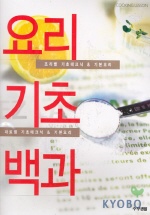
When I first started to explore Korean cooking in-depth, I came upon this wonderful primer for understanding the basics and how-to's of Korean cooking, 요리 기초 백과 (Basic Food Encyclopedia). It was written by the editorial team of 주부생활's educational division, a popular magazine for Korean homemakers. This book is a wonderful introduction to the world of Korean cooking for beginners and a great reference for more experienced cooks. It covers a great deal of information about the ingredients, techniques, and tools used in Korean cooking as well as explaining why foods need to be prepared a certain way for flavor or practicality. I have prepared quite a few recipes from this primer and can personally recommend it as everything I have made from this book has been delicious.

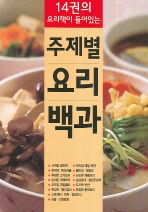
Although this book covers a great deal about how to prepare ingredients for Korean cooking, I wanted a deeper exploration of the ingredients used. I found this in a book by the same authors called 주제별 요리 백과 (Topic-based Food Encyclopedia). There is quite a bit of overlap between the two books as they are both primers for Korean cooking. However, there is a significant variation in the material covered as each book has a different focus. '주제별' greatly emphasizes the ingredients used in Korean cooking and the recipes are different for the most part.


Many Korean foods use ingredients easily accessible through your local supermarket. However, there are quite a number of Korea-specific ingredients that are used like 고사리 (fernbracken), 미나리 (water dropwort), and 연근 (lotus root) and many others. These can be purchased at Korean supermarkets or some other Asian grocers. This book also covers Korean-specific preparations of common ingredients like cucumber, rice, beef, and other foods. I highly recommend this book as it will give you a better sense of how to handle ingredients for Korean recipes.

Posted by tastingkorea

Wednesday, September 28, 2011

Great Primers on Korean Food - Blogs

These blogs really help you understand the fundamentals of standard Korean recipes:


1. Trifood is a great guide to understanding the basic ingredients and preparation of some common Korean dishes as well as how they are served.


2. Home Cooking Diary is a quick and simple guide to a wide range of standard Korean recipes. Written by Peter Park, a Korean American attorney, it provides a very easy-to-follow guide to preparing many common Korean foods.


3. Anna's Korean Kitchen Diary is written by Anna, a Korean American woman living in Baltimore, Maryland who sources recipes from her mother, Young, and sometimes, her aunts. Her user-friendly blog is a greater primer on the in's and out's of Korean cooking, telling you how to prepare and handle ingredients commonly used in Korean recipes.


4. Tasty Meals at Home is the collaboration of a Korean/Taiwanese couple. Although not strictly a Korean food blog, it does provide a good number of Korean recipes that are easy to make.


Posted by tastingkorea

Sunday, July 17, 2011

Great Blogs to Introduce You to Korean Food

A great way to get your feet wet, or shall I say tongue ;), with Korean food is to read blogs written by Koreans who cook at home. Here are some great blogs to get you started on your journey with Korean food. They are ranked in order of ease/approachability for the beginner:


1) Bap Story - A really cute, step-by-step guide to homestyle Korean cooking by two LA-based Korean American women. Recipes are presented through pictures and text at every step. Very concise and straightforward explanations.


2) Take Thou Food is a blog that encompasses more than Korean food and dining, but the Korean articles are a good introduction for those new to Korean food. Sean, the blogger, was raised in Korea for at least part of his childhood and is now living in Athens, Georgia. He really explains the how and why of each dish as well as adding some of his personal experience on occasion.


3) Eating and Living: A Korean American Mom's Home Cooking is a blog written by a mother for her children as a way to pass down recipes. The author does a good job of explaining each recipe in a clear and concise manner while providing good background information. The recipes go beyond the standard fare of doenjang chigae and galbi that most non-Korean diners are familiar with. She has recipes for Korean-style shrimp salad with mustard dressing and Korean spicy stir-fried squid, etc. She shares a lot of interesting news about Korean food as well.


4) Migi's Kitchen is another site that offers a great intro to Korean food. The recipes do not usually require a lot of ingredients, but are presented elegantly.


5) Maangchi is the most famous Korean food blogger on the web. Her recipes are simple and very approachable for those new to Korean cuisine. Each recipe is accompanied by a video which shows Maangchi cooking the dish step-by-step. She offers a good array of Korean recipes as well as abundant resources for ingredients, classes, and information through her site. There is a forum as well that provides readers with the opportunity to share their own recipes as well as ask questions about Korean food and cooking in general.


Posted by tastingkorea
Related Posts Plugin for WordPress, Blogger...